
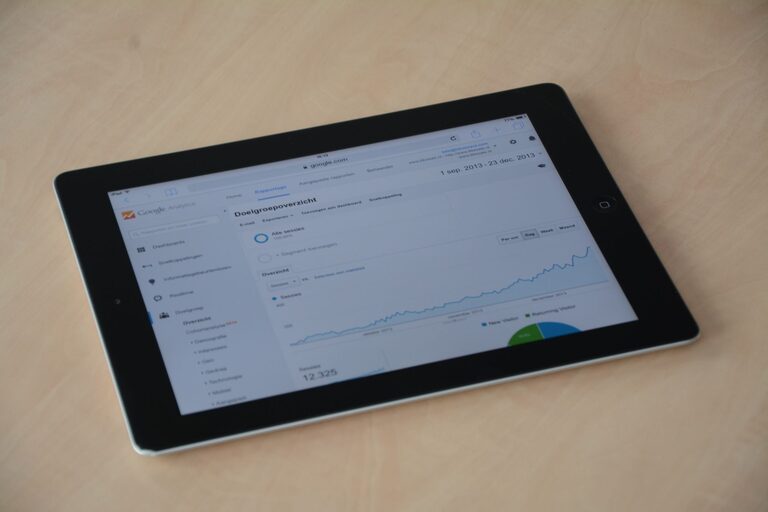
Understanding who visits your website is one of the best ways to improve your content, products, and customer experience. Website traffic data can show what people want, how they find you, and where they may need more help.
Traffic numbers alone do not tell the whole story. A large number of visitors is useful, but knowing which visitors are most interested and what they do on your site is even more valuable. By studying the right information, you can build a clearer picture of your ideal customers and make better decisions.
Start With a Clear Customer Profile
Before reviewing your data, describe the type of customer you want to understand. This does not need to be a perfect profile. Start with a few practical details, such as:
– The problem they are trying to solve
– The products, services, or information they need
– Their level of knowledge about your topic
– The questions they are likely to ask
– The action you want them to take on your website
For example, a gardening website may serve beginners who want simple growing tips, experienced gardeners looking for advanced advice, or homeowners planning a new outdoor space. Each group may use the same website differently.
A basic customer profile gives your traffic data context. Instead of asking, “How many people visited this page?” you can ask, “Does this page attract the people we want to reach?”
Review Your Main Traffic Sources
Your traffic sources show how visitors discover your website. Most analytics tools group traffic into several common categories:
Search traffic
Search traffic comes from people using search engines. It can reveal what topics and questions bring new visitors to your site.
Review:
– The search terms or topics connected to your pages
– Which pages attract the most search visitors
– Whether visitors arrive through broad or specific searches
– Which search visitors continue exploring your website
Specific searches often show stronger intent. Someone searching for “how to choose a compact home printer” may have a clearer need than someone searching for “printers.” Look for patterns in these searches to understand the problems your audience is trying to solve.
Direct traffic
Direct traffic includes visits where the source is not clearly identified. These visitors may have typed your web address, used a bookmark, or arrived through a link that did not pass source information.
A rise in direct traffic may suggest growing awareness, repeat visits, or offline promotion. However, treat this category carefully because some visits may be grouped here when the original source cannot be identified.
Referral traffic
Referral traffic comes from links on other websites. These sources can show which websites, communities, or organizations are introducing people to your brand.
Look for referrals that bring visitors who spend time on your site or visit several pages. A website that sends many visitors but very little engagement may be less useful than a smaller source that sends highly interested people.
Social traffic
Social traffic shows how visitors respond to posts and links shared on social platforms. Compare performance by platform and by type of content.
For example, short educational posts may work well on one platform, while detailed guides may perform better on another. The goal is not simply to find the platform with the most clicks. Look for the platform that brings visitors who match your ideal customer profile.
Study What Visitors Do on Your Website
Once visitors arrive, their actions can reveal their interests and concerns. Focus on behavior rather than isolated numbers.
Important measurements include:
– Pages viewed
– Time spent on key pages
– Scroll depth
– Internal links clicked
– Downloads or sign-ups
– Product or service page visits
– Return visits
– Exit pages
A popular page may attract many visitors but fail to guide them further. Another page may receive less traffic but lead to more sign-ups or inquiries. Both results are useful, but they tell different stories.
Pay special attention to the pages that help visitors move from learning to taking action. These may include comparison pages, frequently asked questions, tutorials, case studies, or contact pages.
Identify Content Patterns
Group your website pages by topic and compare their results. This can help you discover what your audience wants to learn.
For example, a home improvement website might group content into:
– Basic repair guides
– Room design ideas
– Tool comparisons
– Maintenance checklists
– Project planning tips
If several pages in one group attract consistent traffic and engagement, that topic may be important to your audience. You can create related articles, update older guides, or connect useful pages with internal links.
Also look for content gaps. If visitors frequently move from an article to a topic you have not covered, that may be a good opportunity for a new page. Site search data, common questions, and customer messages can help confirm these gaps.
Compare New and Returning Visitors
New and returning visitors often have different needs.
New visitors may be looking for:
– A quick explanation of who you are
– Basic information about your topic
– Proof that your website is reliable
– Guidance on what to read next
Returning visitors may be looking for:
– New content
– Updates to existing information
– Detailed resources
– A faster path to a product, service, or support page
Compare how each group behaves. If returning visitors view more pages or spend more time on your site, they may be especially interested in ongoing resources such as newsletters, tutorials, updates, or member content.
If many new visitors leave quickly, review the first page they see. Make sure it clearly explains the topic, uses easy-to-scan formatting, and offers a relevant next step.
Analyze Visitor Journeys
A visitor journey is the path someone takes through your website. Studying common paths can show what information people need before taking action.
A typical journey might look like this:
- A visitor finds an educational article through search.
- They click a related guide.
- They review a comparison or service page.
- They visit the frequently asked questions section.
- They submit a form or make an inquiry.
Not every visitor will follow the same path, and that is normal. Look for repeated patterns rather than expecting one perfect route.
If visitors often leave after reaching a certain page, investigate why. The page may be unclear, slow to load, difficult to use on a mobile device, or missing important information. Do not assume that a high exit rate is always a problem. Some pages, such as contact or confirmation pages, may naturally end a visit.
Use Device and Location Data Carefully
Device information can help you improve usability. Compare how visitors on phones, tablets, and computers interact with your site.
If mobile visitors leave more often, check:
– Text size and spacing
– Button placement
– Page loading speed
– Form length
– Image display
– Menu navigation
Location data can also reveal broad audience patterns. You may discover that certain regions show more interest in specific topics or services. Use this information to improve relevant content, scheduling, or examples, but avoid making assumptions about individuals based only on location.
Turn Insights Into Practical Changes
Traffic analysis is most useful when it leads to action. Choose a few findings and test specific improvements.
You might:
– Update a page that receives traffic but little engagement
– Add links to related articles
– Create content around common search questions
– Improve the introduction on high-exit pages
– Simplify a form
– Add clearer calls to action
– Adjust content for mobile visitors
– Expand topics that attract your ideal customers
Make one change at a time when possible. Then review the results after enough traffic has collected to show a meaningful pattern. Keep notes about what you changed and why.
Protect Visitor Privacy
Use website data responsibly. Collect only the information you need, follow applicable privacy requirements, and explain your data practices clearly. Focus on general patterns instead of trying to identify individual visitors.
Good analysis should help you serve people better, not make visitors feel watched. Clear communication and respectful data use can support trust while still giving you useful insight.
Review Your Data Regularly
Website traffic changes as seasons, search behavior, content, and customer needs change. Set a regular schedule for reviewing your analytics, such as once a month or once each quarter.
At each review, ask:
– Who is visiting the website?
– How did they find it?
– Which topics attract the most relevant visitors?
– What actions do they take?
– Where do they stop or leave?
– What change should we test next?
Over time, these answers will create a more accurate picture of your ideal customers. With consistent analysis, your website can become easier to find, easier to use, and more useful to the people you want to reach.