
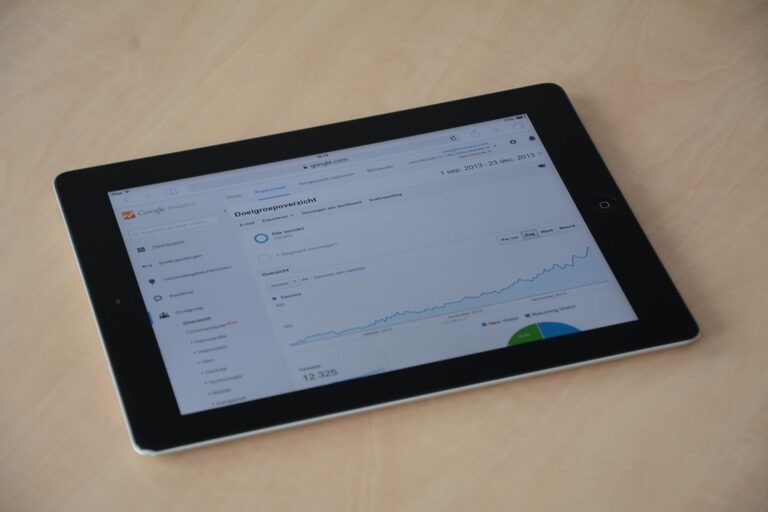
Social media insights can help you understand who your audience is, what they care about, and how they interact with your content. Most platforms provide data about followers, reach, engagement, and content performance. When used thoughtfully, these insights can guide your content strategy and help you create posts that are more useful and relevant.
The goal is not to collect every available number. Instead, focus on the information that helps you make better decisions. This guide explains how to use social media insights to learn about your target audience and improve your online presence.
Start With Clear Goals
Before reviewing your analytics, decide what you want to learn. A clear goal makes it easier to choose the right metrics and avoid getting distracted by unnecessary data.
Common goals include:
– Learning more about your followers
– Finding out which topics interest your audience
– Improving content engagement
– Identifying the best times to post
– Reaching new people
– Understanding why some posts perform better than others
– Improving website visits or other desired actions
For example, if your goal is to increase engagement, you may focus on comments, shares, saves, and replies. If your goal is to reach new people, you may pay closer attention to impressions, reach, and discovery sources.
Review Audience Demographics
Most social media platforms provide basic audience information. Depending on the platform, this may include age ranges, general locations, languages, and other broad details.
This information can help you check whether your current audience matches the people you want to reach. It can also reveal opportunities to adjust your content.
For example:
– A local business may discover that many followers live outside its service area.
– A brand aimed at young adults may find that its largest audience is older than expected.
– A creator may notice that followers are concentrated in a different region or time zone.
Use demographic data as a starting point rather than a complete description of your audience. People in the same age group or location can have very different interests and needs. Combine demographics with engagement and content data to develop a more accurate picture.
Study Engagement Patterns
Engagement shows how people respond to your content. Common engagement actions include likes, comments, shares, saves, clicks, replies, and direct messages.
Look for patterns rather than focusing on a single popular post. Ask questions such as:
– Which topics receive the most comments?
– Which posts are shared most often?
– Do educational posts receive more saves?
– Do questions lead to more replies?
– Are short videos more effective than images?
– Which posts encourage people to visit your website?
Different actions can suggest different levels of interest. A like may show quick approval, while a save or share may indicate that the content is especially useful. Comments and direct messages can provide more detailed information about questions, concerns, and preferences.
Review engagement by content type, topic, format, and purpose. This can help you identify what your audience finds valuable.
Compare Reach With Engagement
Reach measures how many people saw your content, while engagement measures how people responded. Comparing these numbers can reveal important differences.
A post with high reach but little engagement may have attracted attention without providing a strong reason to respond. A post with lower reach but high engagement may have connected deeply with a smaller group.
Consider these examples:
– High reach and high engagement: The topic and format are likely working well.
– High reach and low engagement: The content may be visible but not useful or relevant enough.
– Low reach and high engagement: The content may appeal to your audience but need better distribution.
– Low reach and low engagement: Review the topic, format, message, and timing.
These comparisons help you avoid assuming that the post with the most views is always the most successful. The best content depends on your goal.
Identify Your Best Content Topics
Create a simple list of your recent posts and group them by topic. You might use categories such as tutorials, product information, customer stories, behind-the-scenes content, tips, industry news, or frequently asked questions.
Then compare the performance of each category. Look at:
– Average reach
– Engagement rate
– Shares and saves
– Comments and replies
– Link clicks
– Follower growth after publication
This process can reveal the subjects your audience finds most useful. You may find that practical advice performs better than promotional content or that customers respond well to examples and demonstrations.
Use these findings to guide your content calendar. However, avoid publishing the same type of post repeatedly. Instead, explore related topics and present them in different formats.
Pay Attention to Comments and Messages
Numbers provide useful evidence, but written feedback often explains why people respond in a certain way. Read comments, replies, and direct messages regularly.
Look for repeated:
– Questions
– Problems
– Requests
– Words and phrases
– Positive reactions
– Confusion about your products or services
The language your audience uses can help you create clearer content. For instance, if several people ask the same question, turn it into a short guide, video, or frequently asked questions post.
Comments can also show what your audience expects from you. If people frequently request examples, comparisons, or step-by-step instructions, consider including more of those elements in future content.
Find the Best Times to Post
Social media platforms often show when your followers are most active. This can help you choose a starting point for your publishing schedule.
Test different days and times rather than relying only on general recommendations. Your audience may behave differently from the average user.
When testing a schedule:
- Choose a few time slots to compare.
- Publish similar types of content during each period.
- Track reach and engagement for each post.
- Repeat the test over several weeks.
- Use the results to adjust your schedule.
Timing can improve visibility, but it cannot make weak content successful. Treat it as one part of a larger strategy.
Create Audience Groups
Your audience is unlikely to be completely uniform. Different groups may follow you for different reasons. You can create simple audience groups based on shared interests or behaviors.
For example, you might identify:
– New followers
– Long-term followers
– Frequent customers
– People interested in educational content
– People who engage with videos
– People who respond to special offers
You do not need complicated tools to begin. Use your available insights to identify broad patterns and create content that serves different needs. A beginner-friendly post and an advanced guide may both be valuable, but they should be written for different levels of experience.
Turn Insights Into Action
Data is useful only when it leads to practical changes. After reviewing your insights, choose a few actions to test.
You might decide to:
– Publish more content about popular topics
– Turn common questions into short tutorials
– Use more video demonstrations
– Adjust your posting schedule
– Add clearer calls to action
– Create content for an overlooked audience group
– Reduce content types that consistently perform poorly
Make one or two changes at a time so you can evaluate the results. Record the date, content type, topic, and key metrics in a simple spreadsheet. Review the results regularly and update your strategy based on what you learn.
Protect Audience Privacy
Use social media insights responsibly. Review broad trends rather than trying to identify individual people. Avoid collecting information you do not need, and follow the privacy rules and terms that apply to each platform.
Be transparent when using surveys, contests, or other methods to gather feedback. Respect people’s choices and use audience information to improve their experience, not to make assumptions about them.
Review Your Findings Regularly
Audience interests can change as your business, platform, and market develop. Set aside time each month to review your main insights.
A regular review should include:
– Top-performing content
– Lowest-performing content
– Audience growth
– Engagement patterns
– Common questions
– Reach and discovery sources
– Results from recent tests
Over time, these reviews will show which patterns are consistent and which were temporary. Social media insights are most valuable when they become part of an ongoing learning process.
Final Thoughts
Social media insights can help you replace guesswork with informed decisions. By reviewing audience information, studying engagement, reading feedback, testing content, and tracking changes over time, you can build a clearer understanding of the people you want to reach.
Start with a specific question, focus on a few useful metrics, and turn each finding into a small experiment. This practical approach will help you create content that is more relevant, helpful, and aligned with your audience’s needs.