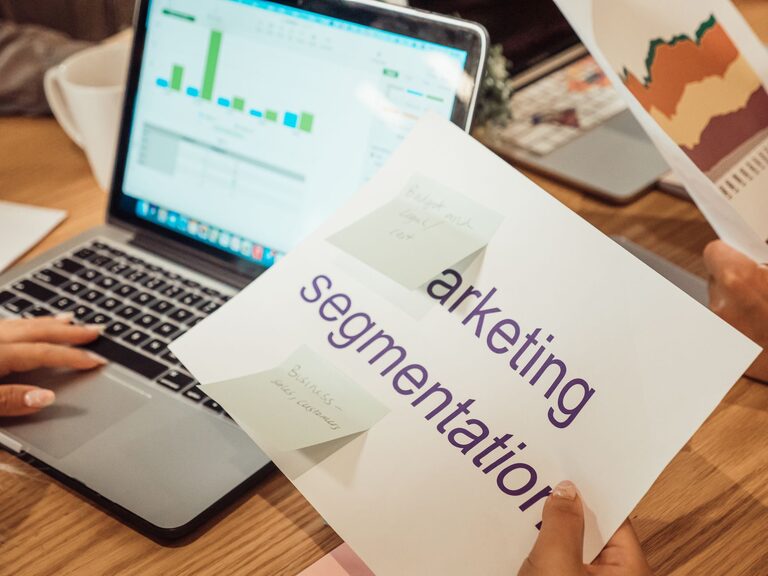

Launching a marketing campaign based on untested assumptions can lead to wasted time, weak engagement, and disappointing results. Even experienced teams can misunderstand what customers need, how they describe a problem, or why they choose one solution over another.
The good news is that you do not need a large budget or a completed campaign to learn more. Simple research and small experiments can help you test your assumptions before committing significant resources.
What Are Audience Assumptions?
Audience assumptions are beliefs about the people you want to reach. These beliefs may involve their needs, preferences, habits, concerns, and buying decisions.
For example, a team might assume that:
– Their audience has a specific problem
– The problem is a high priority
– Customers understand the product category
– A certain benefit will motivate action
– The audience prefers one communication channel
– The proposed price or offer feels reasonable
– Customers use familiar language to describe their needs
Some assumptions may be accurate, while others may be incomplete or incorrect. The goal of testing is not to prove that every idea is right. It is to discover which ideas deserve confidence and which need to change.
Start With a Clear Assumption List
Before conducting research, write down what you currently believe about your audience. This makes vague thinking easier to examine.
Divide your assumptions into several categories.
Audience assumptions
Describe who you believe your ideal customers are.
Consider:
– Age range or professional role
– Location or market
– Experience level
– Common goals
– Typical challenges
– Existing alternatives they use
Avoid describing your audience too broadly. “Everyone who needs better productivity” is difficult to test. A more useful description might be “small business owners who manage projects without a dedicated operations team.”
Problem assumptions
Identify the problem you believe your audience is trying to solve.
Ask:
– What causes the problem?
– How often does it occur?
– How much effort does it require?
– What happens if it remains unresolved?
– What solutions are already being used?
A problem that sounds important may not be urgent enough to influence action. Testing helps you understand its real importance.
Message and offer assumptions
List the ideas you plan to use in your campaign.
These may include:
– A headline or slogan
– A product benefit
– A promotional offer
– A call to action
– A comparison with other options
– A specific reason to act now
Writing these assumptions down gives your team something concrete to test instead of relying on general impressions.
Rank Assumptions by Risk
Not every assumption needs the same level of attention. Focus first on the beliefs that could cause the greatest damage if they are wrong.
A simple ranking system can help. Score each assumption from one to five based on:
- **Importance:** How strongly does the campaign depend on it?
- **Uncertainty:** How little evidence supports it?
- **Impact:** What would happen if it were incorrect?
For example, your team may feel confident about the audience’s job title but be uncertain about which benefit matters most. The benefit assumption may deserve earlier testing because it directly affects the campaign message.
This process keeps research focused and prevents teams from spending too much time on low-value details.
Talk to Potential Customers
Direct conversations are one of the fastest ways to learn how people think about a problem. You do not need dozens of interviews to find useful patterns. A small group of relevant participants can reveal confusing language, overlooked concerns, and unexpected priorities.
Recruit people who resemble your intended audience. They might be:
– Existing customers
– Newsletter subscribers
– Community members
– Website visitors
– Professional contacts
– Members of a relevant online group
Use open-ended questions rather than questions that suggest the answer.
Useful questions include:
– Tell me about the last time you faced this problem.
– What did you do to handle it?
– What was difficult about that process?
– What alternatives did you consider?
– What influenced your final decision?
– How would you describe this problem in your own words?
– What would make a solution worth exploring?
Avoid asking, “Would you buy this product?” People often give positive answers in hypothetical situations that do not match their real behavior. Questions about past actions are usually more reliable.
Test Your Message With Simple Experiments
Once you understand the audience’s concerns, test the language and offer you plan to use.
Compare several messages
Create two or three versions of a headline, value statement, or advertisement. Keep the audience and offer consistent while changing one major idea.
For example, you might compare:
– Saving time
– Reducing errors
– Making a process easier
– Improving visibility
– Lowering effort for a specific task
Show the versions to a small, relevant audience through a survey, email test, landing page, or advertising platform. Look for differences in meaningful actions, such as clicks, sign-ups, replies, or requests for more information.
Use a message comprehension test
Ask participants to read your proposed message and explain it in their own words.
This can reveal whether people understand:
– What the product does
– Who it is for
– What problem it addresses
– Why the benefit matters
– What action they should take next
If participants interpret the message in different ways, it may need to be simplified before launch.
Build a Small Landing Page Test
A basic landing page can help test interest without requiring a complete campaign or product experience. Include:
– A clear headline
– A short explanation of the problem
– The main benefit
– A simple call to action
– A way to measure responses
The call to action might invite visitors to join a waitlist, request information, download a guide, or schedule a demonstration.
Keep the test focused. Avoid adding too many features or messages at once. The purpose is to learn whether the audience responds to the core idea, not to create a final website.
Review both results and behavior. A high number of page views with few sign-ups may indicate that the message attracts attention but does not create enough interest or trust.
Run a Short Survey Carefully
Surveys can help you collect feedback from a larger group, but question design matters.
Keep questions specific and easy to answer. Use a mix of:
– Multiple-choice questions for clear comparisons
– Rating questions for perceived importance
– Open-ended questions for unexpected insights
Avoid combining two questions in one. For example, asking whether a product is “useful and easy to use” does not show which quality matters more.
Be cautious with leading questions. Instead of asking, “How valuable would this time-saving feature be?” ask, “Which of these benefits would be most useful to you?”
Survey results are more useful when the respondents closely match your intended audience.
Observe Existing Behavior
What people do can provide stronger evidence than what they say. Review available behavior data, such as:
– Search terms
– Website pages visited
– Frequently asked questions
– Customer support requests
– Product usage patterns
– Email engagement
– Previous campaign results
Look for repeated language and actions. If customers consistently search for a specific task or ask about a particular concern, those patterns may guide your campaign message.
Behavioral evidence should still be interpreted carefully. A popular page may attract attention without indicating purchase interest. Combine activity data with interviews or direct feedback when possible.
Set Clear Decision Rules
Before running a test, decide what result would support, change, or stop the campaign idea. This prevents teams from moving the goalposts after seeing the results.
For example:
– Continue if at least 8 percent of qualified visitors join the waitlist
– Revise the message if people click but cannot explain the offer
– Stop the test if participants do not recognize the problem
– Test a new benefit if the current one ranks low in surveys
The exact numbers will depend on your audience, channel, and campaign stage. The important point is to define success in advance.
Turn Findings Into Campaign Decisions
Research is useful only when it influences action. After testing, organize your findings into three groups:
– Confirmed: Supported by multiple types of evidence
– Unclear: Shows mixed results and needs more testing
– Rejected: Does not match customer feedback or behavior
Then update the campaign. You may need to narrow the audience, change the headline, adjust the offer, choose another channel, or delay the launch while you gather more information.
Testing assumptions does not eliminate all uncertainty. It gives your team a clearer starting point and reduces the risk of building a campaign around guesswork.
Final Thoughts
The best prelaunch research is focused, practical, and connected to real decisions. Start by listing your assumptions, rank the riskiest ones, and use conversations, message tests, landing pages, surveys, and behavior data to examine them.
A small investment in learning can make the final campaign more relevant, easier to understand, and more likely to earn a meaningful response.