
Understanding the customer journey is essential for creating useful content, improving communication, and helping people move from awareness to action. However, not every customer follows the same path. Different audience groups may have different needs, questions, preferences, and reasons for choosing your business.
A single journey map can hide these differences. By mapping the journey for specific audience groups, you can better understand what each group expects and where they may need support.
This guide explains how to create audience-specific customer journey maps and turn your findings into practical improvements.
What Is a Customer Journey Map?
A customer journey map is a visual or written outline of the steps people take when interacting with a business. It usually covers the period from first discovering a brand to becoming a repeat customer or advocate.
A basic journey may include these stages:
– Awareness
– Consideration
– Decision
– Purchase or sign-up
– Onboarding
– Retention
– Advocacy
At each stage, customers may interact with your business through different touchpoints, such as:
– Search engines
– Social media
– Blog posts
– Product pages
– Customer support
– Sales conversations
– In-person locations
– Review websites
A journey map connects these stages and touchpoints with the customer’s goals, questions, actions, and concerns.
Why Different Audience Groups Need Different Maps
Audience groups are not always motivated by the same things. For example, a first-time buyer may need basic information and reassurance, while an experienced customer may be looking for advanced features or faster service.
Creating separate maps helps you identify:
– Different reasons people begin their research
– Questions that vary by experience level
– Content gaps for specific groups
– Barriers that prevent people from taking the next step
– Preferred communication channels
– Opportunities to improve the overall experience
Audience groups can be based on many factors, including:
– Customer needs
– Product knowledge
– Purchase frequency
– Industry or role
– Business size
– Location
– Preferred service method
– Relationship with your brand
Keep your groups focused and meaningful. If you create too many segments, the maps may become difficult to manage.
Step 1: Define Your Audience Groups
Start by identifying the groups that matter most to your business. Use existing information instead of relying only on assumptions.
Useful sources include:
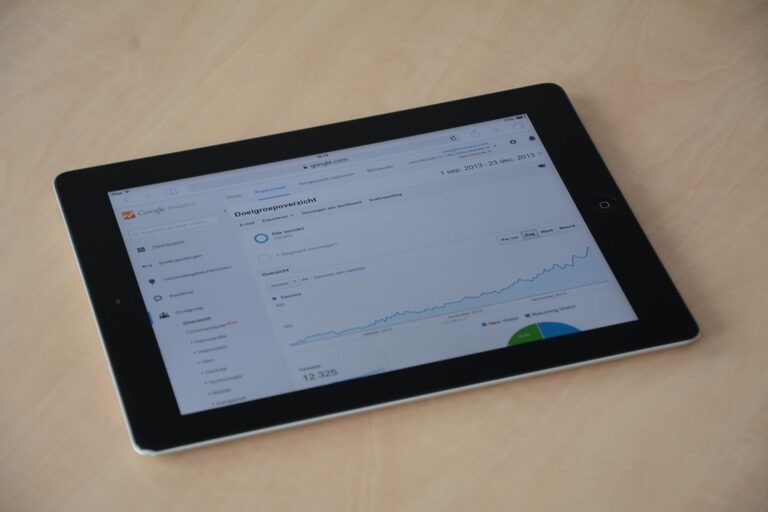
– Website analytics
– Customer surveys
– Support questions
– Sales notes
– Product reviews
– Email engagement data
– Customer interviews
– Search query reports
– Purchase history
Look for patterns in what people need and how they behave. For example, you may discover that your audience includes:
– New visitors who are unfamiliar with the category
– Returning customers who already understand your products
– Customers comparing several options
– Users who need help getting started
– Customers who purchase for a team or organization
For each group, write a short description that explains who they are and what makes their journey different.
Step 2: Identify Each Group’s Main Goal
A customer journey is easier to understand when you know what the customer is trying to accomplish.
Ask questions such as:
– What problem is this group trying to solve?
– What would a successful outcome look like?
– What information do they need first?
– What might make them delay a decision?
– What result do they expect after purchase?
For example, a new customer may want to understand whether a product is suitable for their needs. A returning customer may want to complete a purchase quickly. A business buyer may need information they can share with colleagues.
These goals should guide the rest of your map.
Step 3: Outline the Stages for Each Group
Use the same broad journey stages for each audience group, but describe the experience from that group’s point of view.
Awareness
At this stage, the person recognizes a problem or begins looking for information.
Consider:
– What starts their search?
– What words or questions do they use?
– Where do they look for answers?
– Are they familiar with your brand?
New audiences may respond well to educational articles, simple guides, and introductory videos. Experienced audiences may prefer comparison pages, technical details, or updates about new solutions.
Consideration
The person is now comparing options and deciding which approach may be best.
Consider:
– What criteria influence the decision?
– Which alternatives are they considering?
– What information is missing?
– What concerns could slow progress?
Helpful content may include product comparisons, case studies, demonstrations, frequently asked questions, and clear explanations of features.
Decision
The person is ready to take action but may still need reassurance.
Consider:
– What information is needed before purchase or sign-up?
– Is the process clear?
– Are pricing, timing, and requirements easy to understand?
– Is there a simple way to ask questions?
A complicated form, unclear instructions, or unexpected steps can create friction at this point.
Onboarding and Use
The journey continues after the customer takes action. A positive start can strongly influence satisfaction and future engagement.
Consider:
– What does the customer need to do first?
– Which instructions are most important?
– Where are users likely to get stuck?
– How can you help them reach an early success?
Use welcome emails, checklists, tutorials, help content, or guided setup steps based on the group’s experience level.
Retention and Advocacy
After the customer has used your product or service, consider what will encourage them to return or recommend your business.
Ask:
– What creates long-term value?
– When should you follow up?
– What related information may be useful?
– How can satisfied customers share feedback?
Different groups may need different follow-up approaches. A new customer may benefit from practical tips, while a long-term customer may appreciate advanced resources or loyalty benefits.
Step 4: Add Touchpoints, Needs, and Emotions
For each stage, record the main touchpoints and the customer’s likely experience.
A simple table can include:
| Journey stage | Customer action | Customer need | Business touchpoint | Possible barrier |
|—|—|—|—|—|
| Awareness | Searches for information | Basic guidance | Blog post | Unfamiliar terms |
| Consideration | Compares options | Clear differences | Comparison page | Too much information |
| Decision | Reviews details | Confidence | Product or service page | Unclear next step |
| Onboarding | Begins using the service | Simple instructions | Welcome email | Setup confusion |
You can also note how the customer may feel at each stage. Common emotions include curiosity, uncertainty, confidence, frustration, and satisfaction.
The purpose is not to guess perfectly. It is to create useful questions that can be checked through research and feedback.
Step 5: Find Gaps and Friction Points
Review each map and look for places where the journey becomes difficult or unclear.
Common problems include:
– Content that does not answer basic questions
– Different pages giving conflicting information
– Too many steps before a customer can act
– Forms that request unnecessary details
– Support options that are difficult to find
– No guidance after purchase
– Messages that do not match the audience’s level of knowledge
Prioritize issues based on their effect on the customer and the effort required to fix them. Small changes, such as clearer buttons or better instructions, can sometimes make a meaningful difference.
Step 6: Turn the Maps Into Actions
A journey map is most useful when it leads to specific improvements. For each problem, assign an action, owner, and measure of success.
Examples include:
– Create an introductory guide for first-time visitors
– Add comparison content for customers evaluating options
– Simplify the sign-up process
– Improve welcome emails for new users
– Add answers to common support questions
– Create advanced resources for returning customers
– Provide clearer next steps on key pages
Choose measures that match the goal. These may include engagement with helpful content, completion rates, support requests, repeat visits, or customer feedback.
Keep Journey Maps Current
Customer needs change as products, channels, and expectations evolve. Review your maps regularly and update them when you notice new patterns.
Use ongoing feedback from:
– Customer conversations
– Website behavior
– Search trends
– Support teams
– Reviews and surveys
– Changes in products or services
You do not need a complex system to maintain useful maps. A shared document, spreadsheet, or simple visual diagram can be enough if it is clear and regularly reviewed.
Final Thoughts
Mapping the customer journey by audience group helps you replace broad assumptions with a more practical understanding of customer needs. By defining clear groups, identifying their goals, reviewing each stage, and addressing friction points, you can create more relevant experiences.
The best journey maps are not static documents. They are working tools that help teams improve content, communication, service, and follow-up over time.